Wondering whether Framingham can make your workweek easier without giving up the space and variety many MetroWest buyers want? You are not alone. For many buyers, the real question is not just Can I afford the home? but Can I live with the commute? In Framingham, that question matters more than most places, and understanding how the city works can help you make a smarter move. Let’s dive in.
Why commute planning matters in Framingham
Framingham is a true commuter market. The city’s market analysis reports that 84.4% of resident workers leave the city for work, and it notes that more residents commute to Boston than work in Framingham itself. Census QuickFacts also puts the mean travel time to work at 30.4 minutes, which shows how central commute planning is when you choose where to live.
Framingham’s appeal comes from its position between Boston and Worcester, along with direct access to I-90 and commuter rail service. That gives you more than one way to structure your week. The tradeoff is that your ideal home location may depend less on a zip code and more on whether you are a rail rider, daily driver, or airport frequent flyer.
Framingham’s three main commute tools
MBTA commuter rail
The Framingham/Worcester Line gives Boston-bound commuters a clear rail option. For many buyers, this is the backbone of a more predictable routine, especially if you want to avoid driving into the city every day.
MBTA parking at the Framingham station is $4 on weekdays and $2 on weekends, with no overnight parking. That makes it practical for daily park-and-ride use, but it is not designed for leaving your car for several nights.
Logan Express
If your work or lifestyle includes regular airport trips, Logan Express is a major Framingham advantage. Massport places the Framingham Logan Express at 11 Burr St, and the facility includes 2,037 parking spaces in a covered and open-air garage.
Parking costs $7 per day, and Massport says the ride to Logan from the Framingham/Natick Mall area takes about 35 to 45 minutes. Current schedule information also shows service every half hour, seven days a week, which can be a real quality-of-life benefit if you fly often.
Highway access
For drivers, access to I-90 is a big part of Framingham’s value. MassDOT directions identify I-90 Exit 12 as the Framingham/Route 9 exit and Exit 13 as the Natick/Framingham Route 30 exit.
Still, convenience on paper is not the same as an easy drive in practice. Framingham planning studies flag serious traffic delays around Route 30/Speen Street and along Route 9, so buyers should think about more than simple map distance when comparing homes.
Best areas by commute style
Downtown and Framingham Center
If you are a Boston commuter who wants the easiest rail-first setup, downtown and Framingham Center stand out. The city describes downtown Framingham as a unique part of the community with housing that ranges from historic homes to brand-new dwellings.
The city’s transit-oriented development plan also shows that downtown is being re-imagined with more mixed-use and multi-family development. In practical terms, that makes this area one of the clearest fits if you want to keep your commute tied closely to the train rather than to daily highway traffic.
Route 9 and the Golden Mile
If you expect to drive often, split time between office and home, or want quick access to Logan Express, the Route 9 corridor deserves a close look. The city’s Area C centers on Route 9, called the Golden Mile, and includes retail, entertainment, and a mix of single- and multi-family housing.
This part of Framingham is especially useful for buyers who prioritize road access and airport convenience. The main caution is traffic. The city’s Golden Triangle study identifies Route 30/Speen Street and Route 9 as delay hot spots, so you will want to weigh convenience against congestion.
Saxonville
Saxonville may appeal to you if you are drawn to older homes and a more traditional village setting. City materials describe it as a historic New England mill village with historic mills, worker housing, and ongoing streetscape and roadway improvements.
Planning documents also note opportunities to reuse older buildings, including multi-family housing. For buyers, that usually means character and history may come with more older-home considerations during inspections and renovation planning.
Nobscot
Nobscot offers a different kind of balance. The city created B-4 zoning there to support a walkable mixed-use village center with a blend of residential, office, retail, and other uses.
Older master-plan language describes Nobscot as a small center next to low-density residential areas and large open spaces. If you want a village-center setting without fully committing to a denser downtown feel, Nobscot may be worth exploring.
What the housing stock means for buyers
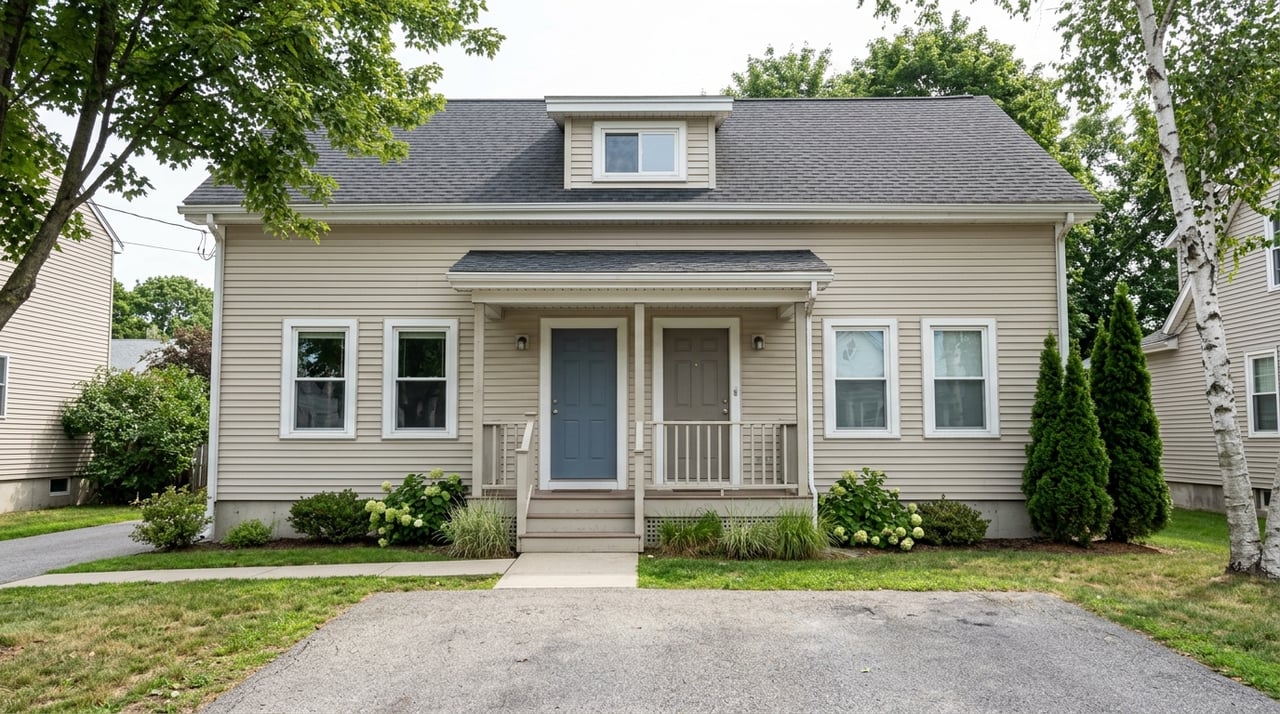
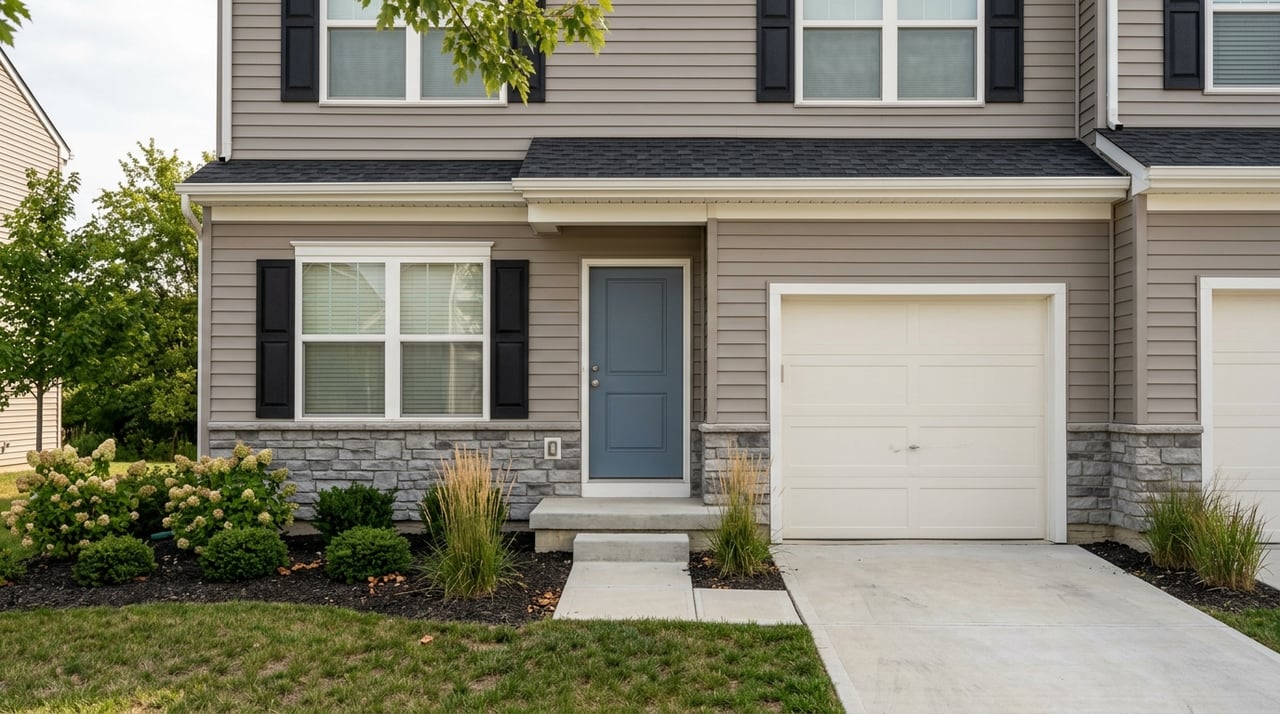
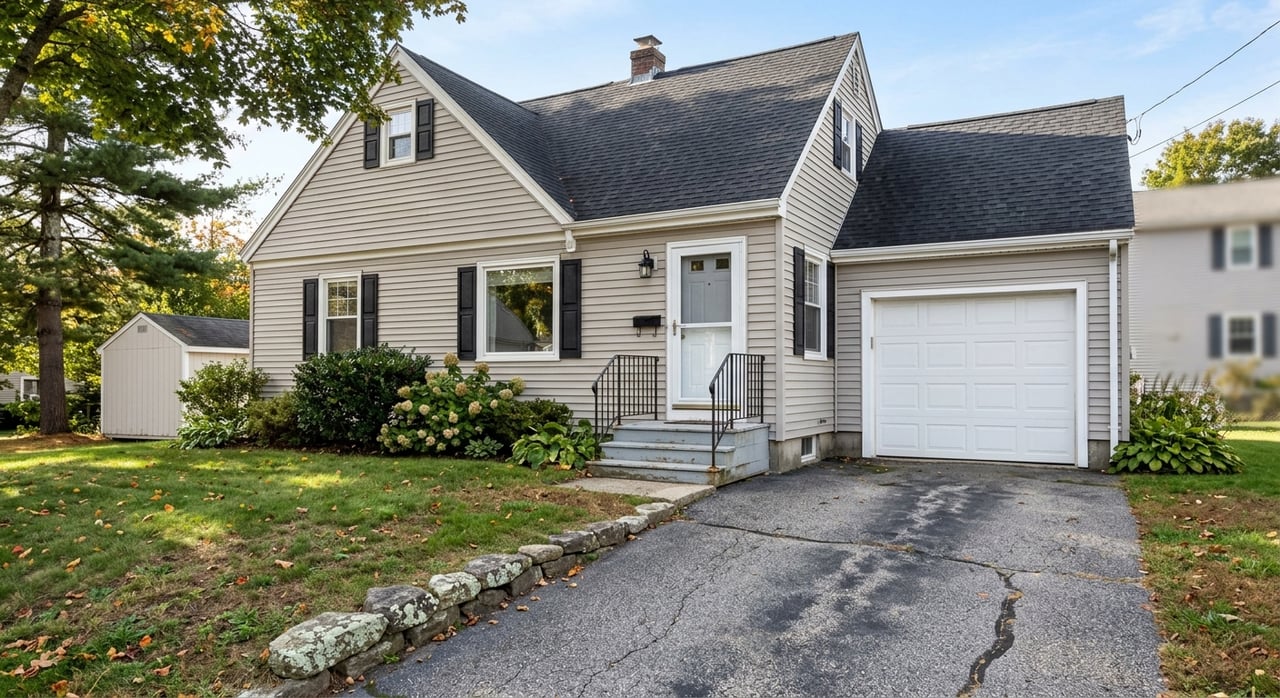
Framingham offers variety, but there are some broad patterns worth knowing before you start touring homes. The city’s market analysis says 93% of owner-occupied homes are single-unit properties, while the rental stock is more diverse.
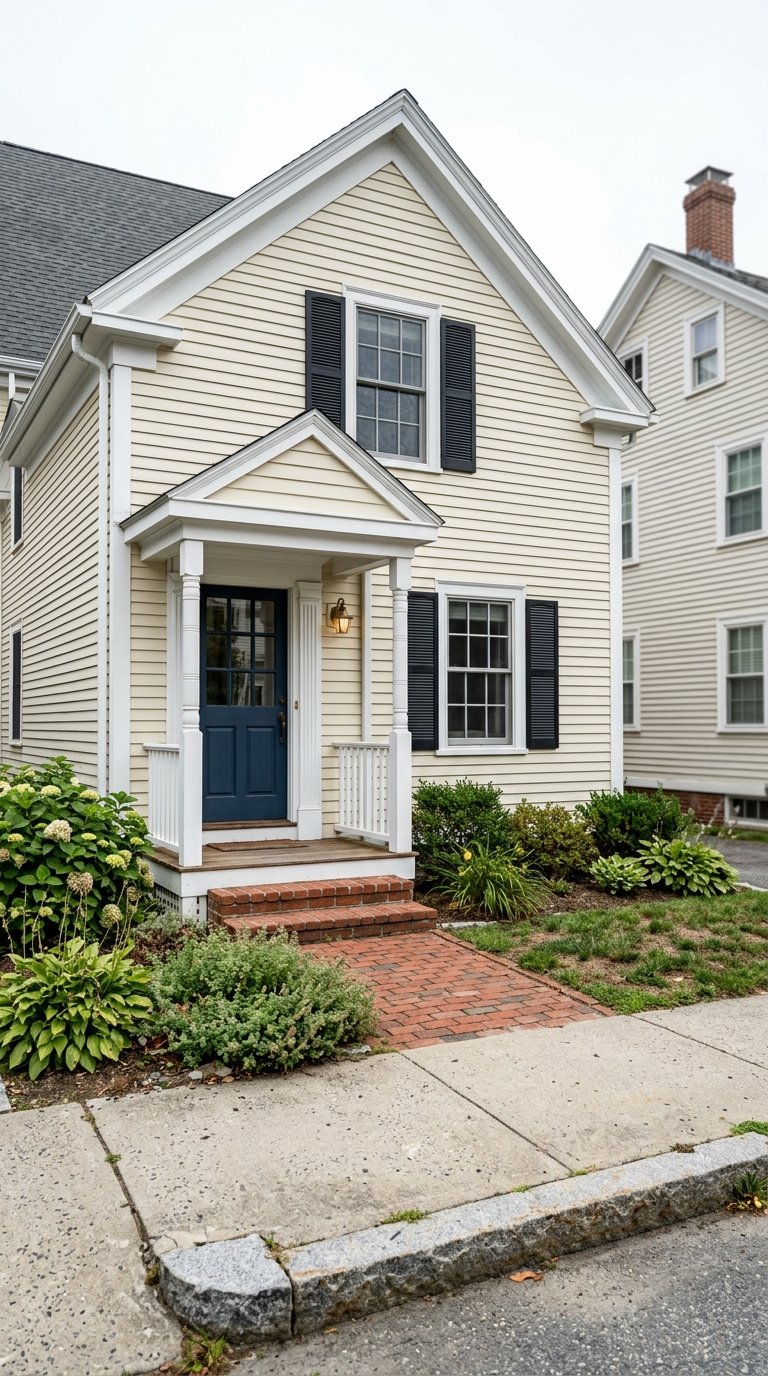
The same report says 77% of the housing stock was built before 1980. That means many buyers will end up having conversations about maintenance, systems, updates, or renovation potential, especially in established sections of the city.
Framingham’s housing plan also says the city aims to preserve and enhance housing diversity, and local stakeholders note a need for more missing middle housing. In day-to-day terms, you can expect a lot of single-family inventory, some larger apartment options near key centers, and a market where home style and age can vary a lot by area.
Census QuickFacts reports a median owner-occupied value of $627,300 and median gross rent of $2,033. Those numbers can help frame your search, but your best fit will still come down to how your budget lines up with your commute priorities.
How to match your home search to your routine
Before you focus on finishes and floor plans, it helps to define what your week really looks like. In Framingham, a home that seems perfect online can feel very different once you test the drive, station access, or airport route.
A good starting point is to sort yourself into one of these commuter patterns:
- Rail-first buyer: You want the smoothest path to commuter rail and a setup that reduces dependence on daily driving.
- Highway-first buyer: You expect to drive most days and care more about access to I-90, Route 9, or Route 30.
- Airport-heavy household: You value easy Logan Express access because work trips or family travel are part of your routine.
- Hybrid commuter: You need flexibility because your week changes between office, home, and occasional travel.
Once you know your pattern, it becomes easier to narrow your search. A rail-first buyer may focus more heavily on downtown and Framingham Center. A driver or frequent flyer may lean toward the Route 9 side of town, while buyers who want village character may spend more time exploring Saxonville or Nobscot.
Smart questions to ask before you buy
The right Framingham home is not only about bedrooms and square footage. It is also about whether the location supports your everyday life.
As you compare properties, ask:
- How often will you actually use the train versus driving?
- Do you need daily parking at the station, and is no overnight parking a concern?
- How often do you use Logan, and would Burr Street access make travel easier?
- Are you comfortable with Route 9 or Speen Street congestion during peak hours?
- Are you open to an older home if it gives you a better commute setup?
- Do you want a village-center feel, a downtown setting, or a more highway-oriented location?
These questions can save you from choosing a home that looks right on paper but feels inconvenient once real life begins.
Framingham works best when the location fits you
The biggest takeaway is simple: Framingham is not a one-pattern commuter town. It works best when you match the area to the way you actually move through the week.
For some buyers, that means living near downtown for the most rail-friendly setup. For others, it means leaning toward Route 9 for driving convenience or easier Logan Express access. And for buyers who care about village character, places like Saxonville and Nobscot can offer a different feel while still keeping you connected to the larger region.
If you are weighing Framingham against other MetroWest options, a local, commute-aware home search can make the process much clearer. If you want help narrowing the right area, home style, and price point for your routine, connect with CENTURY 21 for steady, local guidance.
FAQs
Which Framingham area is best for Boston commuter rail access?
- Downtown and Framingham Center are generally the strongest rail-first fit because the city is guiding that area toward transit-oriented mixed-use and multi-family development.
Which Framingham area is most practical for Logan Express users?
- The Route 9 and Burr Street area is usually the most practical choice because Logan Express is located there and offers frequent service with large parking capacity.
Which Framingham area works best for drivers using I-90?
- Buyers who prioritize I-90 or Route 30 often look more closely at west- and Route 30-oriented locations, but traffic conditions around Route 30/Speen Street should still be part of the decision.
What kind of homes are common in Framingham?
- Framingham has a large share of single-unit owner-occupied homes, and much of the housing stock was built before 1980, so many buyers should be ready to evaluate older-home features and maintenance needs.
Which Framingham neighborhoods have more village character?
- Saxonville and Nobscot are often the clearest examples of village-style areas because city planning materials describe both as distinct village centers.
Is Framingham a good fit for hybrid commuters?
- Framingham can work well for hybrid commuters because it offers commuter rail access, highway connections, and Logan Express, but the best fit depends on which travel mode you use most often.