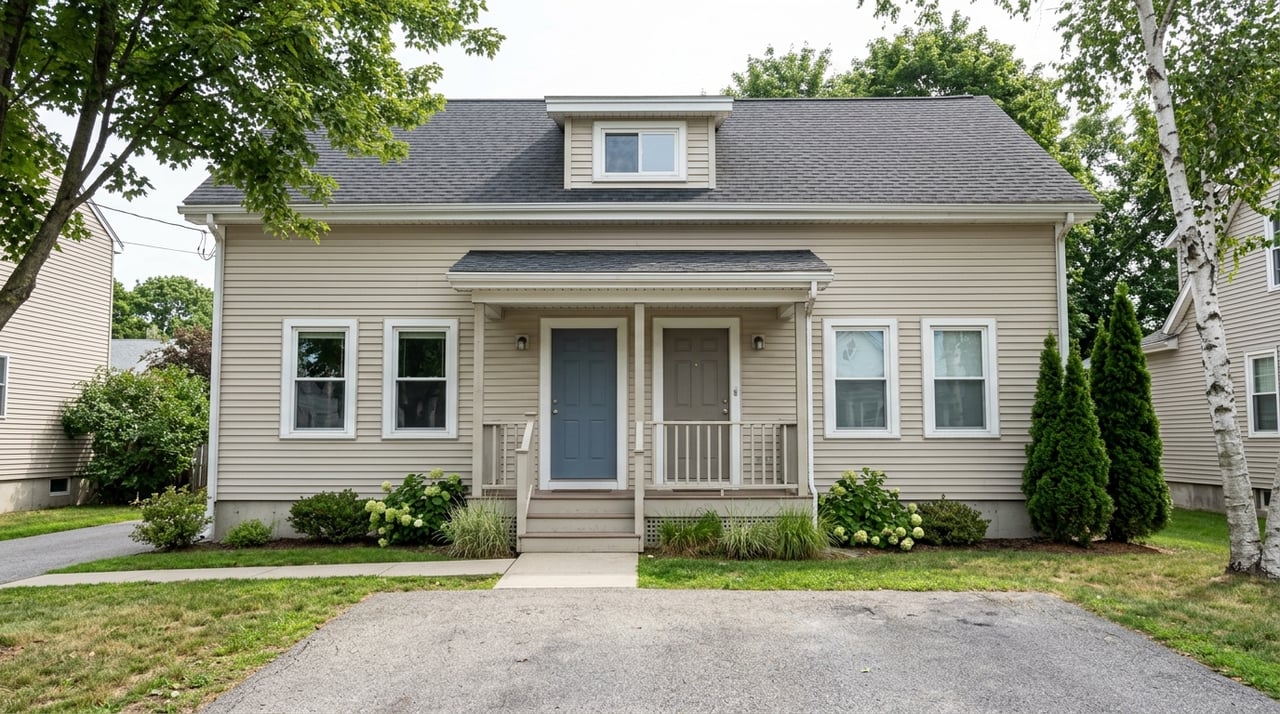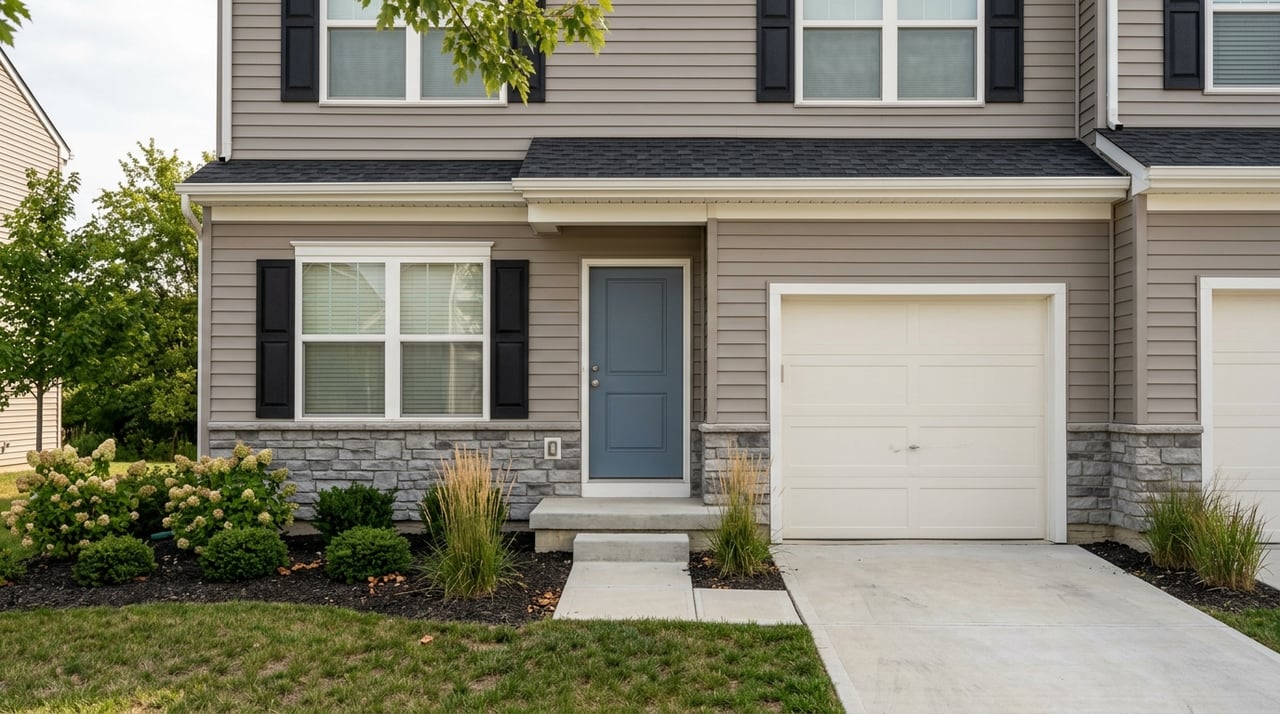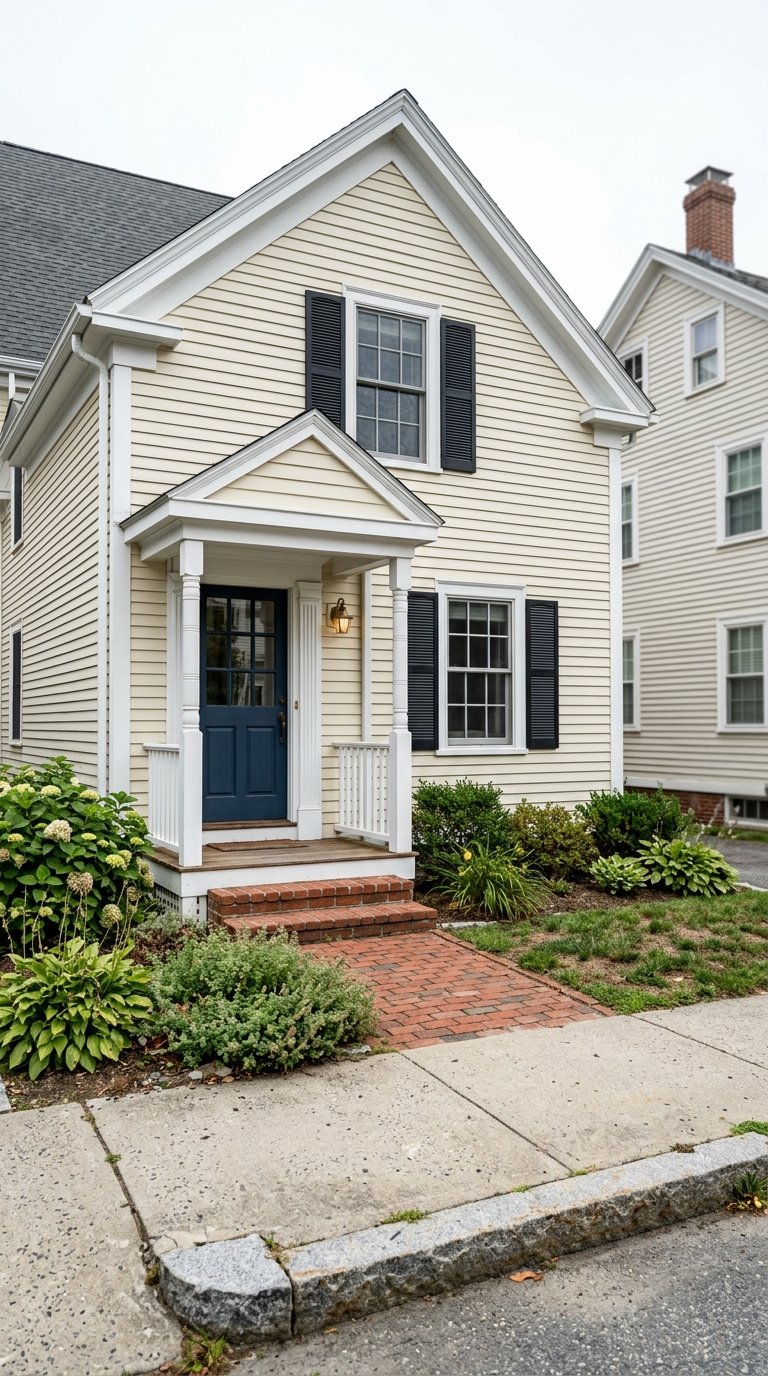
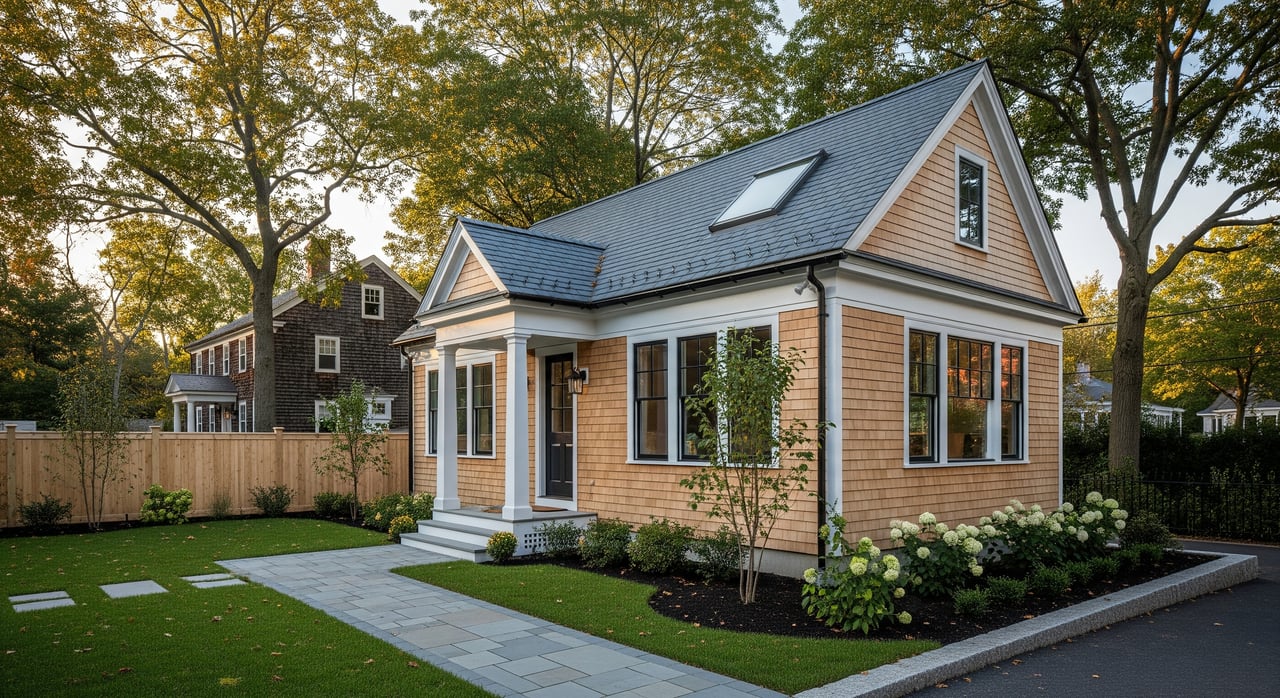
Thinking about adding a backyard cottage or in‑law suite to your Framingham home? An accessory dwelling unit can create flexible space for family, generate rental income, and boost long‑term value. The key is designing it to fit Framingham’s current rules and the Massachusetts building code. In this guide, you’ll learn what the city typically looks for, which choices affect cost and approvals, and a practical path from idea to permit. Let’s dive in.
What Framingham’s ADU rules usually cover
Framingham’s ordinance sets where ADUs are allowed, how many you can build per lot, and how big they can be. It also addresses entrances, exterior design, parking, and whether the owner needs to live on site. You must also meet the Massachusetts State Building Code for safety, egress, and fire protection.
Expect the city to differentiate between attached and detached ADUs and to outline a review path. Some projects move through an administrative checklist. Others need a special permit or public hearings. Before you draw plans, confirm your property’s zoning and whether any historic or neighborhood overlay applies.
Start with three early checks
Begin with a quick feasibility screen to save time and money later.
- Zoning and permits. Verify your zoning district, whether an ADU is allowed, the maximum size, and any parking or owner‑occupancy rules. Ask about your review path and fees.
- Septic and utilities. If you are on a private septic system or well, capacity may limit added bedrooms. For homes on public utilities, confirm policies on separate meters and service upgrades.
- Market demand. Size the unit to local rental demand. Studios and 1‑bedrooms tend to rent quickly near jobs and transit. Two bedrooms suit small households but cost more to build.
Attached vs detached: choose what fits
Both options work in Framingham, but they impact cost, approvals, and livability in different ways.
- Cost and complexity. Attached ADUs often cost less per square foot because they can reuse foundation, walls, and utility runs. Detached units require a new foundation, full building envelope, and separate systems, which raises costs.
- Site capability. Detached units need enough side and rear yard to meet setbacks, lot coverage, and height caps. Attached units are easier to site on small lots.
- Rental appeal and privacy. Detached cottages often command higher rents because they feel more private and offer outdoor space. Well‑designed attached units with a separate entrance can still perform strongly.
- Code and fire separation. Attached ADUs may require rated walls and ceilings between units. Detached units must meet code as a separate structure.
Size, layout, and design that pass review
Cities typically cap ADU size by a square‑foot maximum, a percentage of the main home’s floor area, or both. Common ranges fall between about 400 and 1,000 square feet. Framingham’s exact numbers can differ, so verify the cap and any minimums for studios or one‑bedrooms before finalizing plans.
Plan for a separate exterior entrance and interior layout that meets fire egress rules. Sleeping rooms need compliant egress windows or doors to the exterior. Keep exterior materials, rooflines, and window patterns compatible with your main house. Many communities restrict new entrances on the street‑facing side to maintain neighborhood character.
If you want a flexible, future‑proof space, consider aging‑friendly details such as a zero‑step entry, a wider bathroom door, and a shower with a low threshold. These can broaden your tenant pool and help a family member age in place.
Site constraints that shape the plan
Your lot drives what is possible. Map these items early:
- Setbacks and coverage. Rear and side yard setbacks, height limits, and impervious surface caps affect the footprint and placement of a detached ADU.
- Historic or design review. If your home sits in a historic district, expect extra review and compatibility standards.
- Parking and access. Confirm driveway width, curb cut rules, and how many off‑street spaces are required, if any. Entry stairs and landing placement can affect setback compliance.
- Trees and easements. Utility easements and protected trees can dictate building location and trenching paths.
Utilities and building code basics
ADUs must comply with Massachusetts State Building Code. Plan for smoke and carbon monoxide detection, safe egress, and any required fire separation between units. Mechanical, electrical, and plumbing must meet current standards.
Discuss electrical panel capacity, hot water, and HVAC sizing with your designer. Even a compact studio can strain an older panel or boiler. Ask your utility providers whether separate meters are allowed or required. If you are on private septic, engage the Health Department early to confirm capacity and any Title 5 upgrades.
Parking, owner occupancy, and rentals
Municipalities approach ADU parking differently. Some keep standard parking ratios while others reduce them to support smaller homes near transit. Framingham’s current requirement, and any exceptions, should be checked during feasibility.
Owner‑occupancy rules may apply, such as requiring the owner to live in either the main home or the ADU for a period after approval. Short‑term rentals can be restricted or require registration. Confirm whether you must register long‑term rentals and whether occupancy caps per bedroom apply.
Step‑by‑step: concept to permit in Framingham
Follow this practical path to move from idea to approval.
Phase A: Feasibility, 0–4 weeks
- Confirm zoning and district rules for your lot, including ADU type, size, and parking.
- Check site constraints: setbacks, lot coverage, trees, easements, and any historic status.
- Contact utilities for meter and connection policies. If on septic, start Title 5 review.
- Analyze rental demand for the size and bedroom count you plan.
- Draft a rough budget comparing an attached conversion versus a detached build.
Phase B: Concept design and pre‑application, 2–6 weeks
- Create sketch plans: floor plan, elevations, and a simple site plan showing setbacks, parking, and utility routes.
- Schedule a pre‑application conversation with Planning or Building staff to confirm the review path, fees, and required submittals.
- Determine whether you qualify for administrative approval or need a special permit.
Phase C: Detailed design and documentation, 4–12+ weeks
- Hire a designer familiar with ADUs and the Massachusetts code.
- Prepare a survey‑based site plan, floor plans, elevations, structural details, and MEP drawings. Include energy compliance and stormwater details if required.
- Address egress windows, smoke and CO detection, and any required fire‑rated assemblies.
- If in a historic district, prepare materials for design review.
Phase D: Zoning and planning approvals, 4–12+ weeks
- Submit your zoning application with complete plans.
- Respond to staff comments and revise as needed. If a hearing is required, allow time for notices and board dates.
Phase E: Building permit and utilities, 2–8+ weeks
- Apply for your building permit and pay the associated fees.
- Coordinate any utility upgrades or meter installations with providers.
- Obtain Health Department approvals for septic work before final occupancy, if applicable.
Phase F: Construction and inspections, weeks to months
- Small conversions can take weeks to a few months. Detached new builds often take 3 to 9 months or more.
- Schedule and pass required inspections. Do not occupy until you receive a Certificate of Occupancy for the ADU.
Phase G: Occupancy, registration, and rental compliance
- Keep your permits and conditions on file. If the city requires rental registration or restricts short‑term rentals, complete those steps before advertising.
- Follow any owner‑occupancy requirements tied to your approval.
Budget planning tips
Your design choices drive cost. An attached ADU usually offers the lowest cost path by reusing structure and utilities. If you plan to maximize rent and privacy, a detached unit may justify the premium when the lot allows it.
Build a budget that includes design fees, permit fees, utility upgrades, and site work. Fire separation upgrades, egress changes like dormers, and stormwater mitigation can add meaningful cost. Invest in insulation, air sealing, and efficient systems to lower operating expenses for you and your tenant.
Timeline expectations in Framingham
If your project qualifies for administrative approval, zoning sign‑off can come in weeks to a few months. Projects that need a special permit or public hearing can take several months to a year, depending on complexity and meeting cycles. Building permit review and inspections add time, along with utility coordination.
Designers who know local checklists can help you avoid resubmittals and keep your timeline on track. Schedule a pre‑application touchpoint to confirm requirements before you finalize drawings.
Common pitfalls to avoid
- Skipping the zoning check. Designing before you confirm size limits, setbacks, or parking can cause costly redesigns.
- Ignoring egress and fire separation. Bedrooms without proper egress or missing rated assemblies are common reasons for plan revisions.
- Underestimating septic limits. Title 5 capacity can stop an ADU early. Verify before design.
- Forgetting site work. Driveways, drainage, utility trenches, and tree protection can shift budgets fast.
- Waiting to talk to the city. A short pre‑application conversation can clarify the review path and paperwork.
Your next step
If you want a rental, a guest suite, or a place for multigenerational living, an ADU can be a smart move when it aligns with Framingham’s rules. Start with the three checks above, sketch an attached and a detached option, then talk with city staff about your path to approval. Keep your design simple, compatible with your main home, and sized to local demand. That approach helps you move faster from concept to Certificate of Occupancy.
Ready to discuss how an ADU could affect resale value, rental strategy, or your move‑up plans in MetroWest? Reach out to CENTURY 21 Marathon for local guidance rooted in experience and community. Start Your Marathon to Real Estate Success.
FAQs
How big can an ADU be in Framingham?
- Cities set either a square‑foot cap, a percentage of the main home’s floor area, or both. Typical ranges are about 400 to 1,000 square feet, but you should verify Framingham’s exact numbers before design.
Do I need extra parking for a new ADU in Framingham?
- Parking rules vary by city and by proximity to transit. Framingham may reduce or require parking for ADUs depending on location. Confirm your property’s requirement and whether on‑site spaces are needed.
Can I rent an attached in‑law suite as a separate unit?
- Often yes if zoning allows accessory rentals and the unit meets building code for egress and fire safety. Check any owner‑occupancy rules and rental registration requirements that apply.
What if my home is on a septic system in Framingham?
- Septic capacity and Title 5 limits can determine feasibility. Engage the Health Department early to confirm if your system can support the added bedrooms or if upgrades are needed.
How long does ADU permitting take in Framingham?
- Administrative approvals can take weeks to a few months. If you need a special permit or hearings, plan for several months to a year plus time for building permits, inspections, and utility work.
Which costs more in Framingham: attached or detached ADUs?
- Attached conversions usually cost less because they reuse structure and utilities. Detached cottages cost more due to a new foundation, envelope, and utility runs, but they often rent for more thanks to privacy and outdoor space.