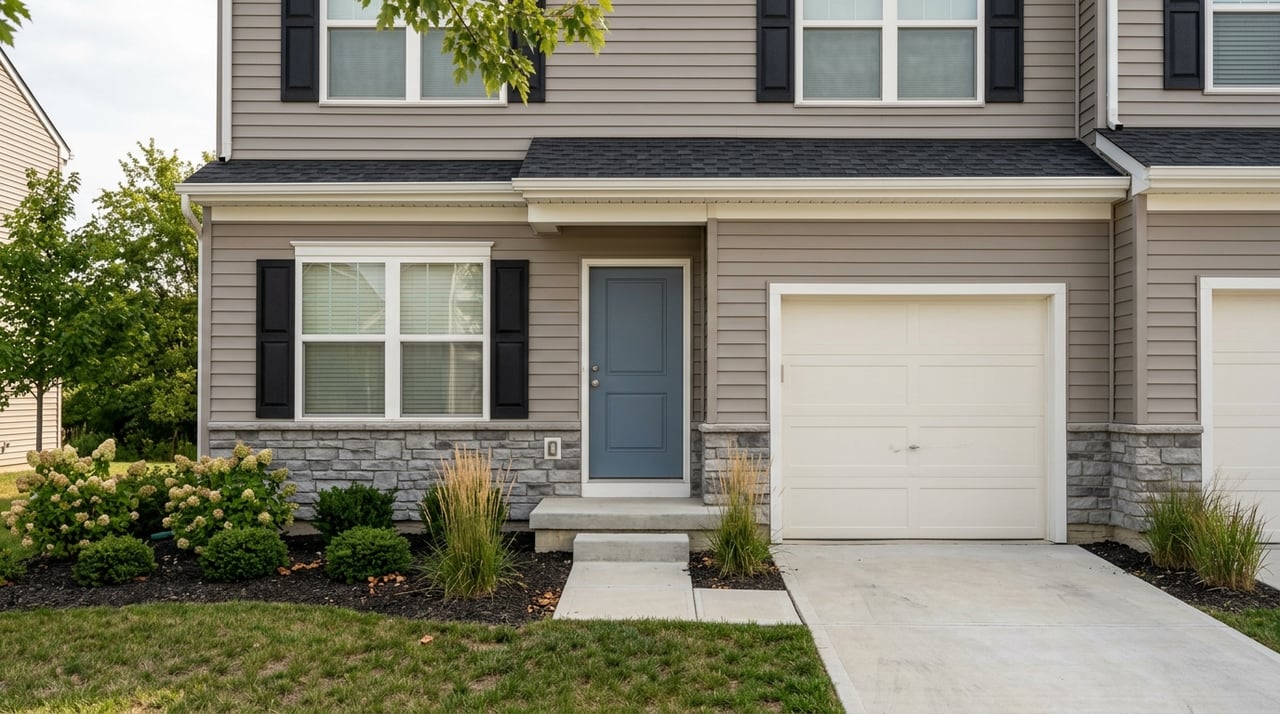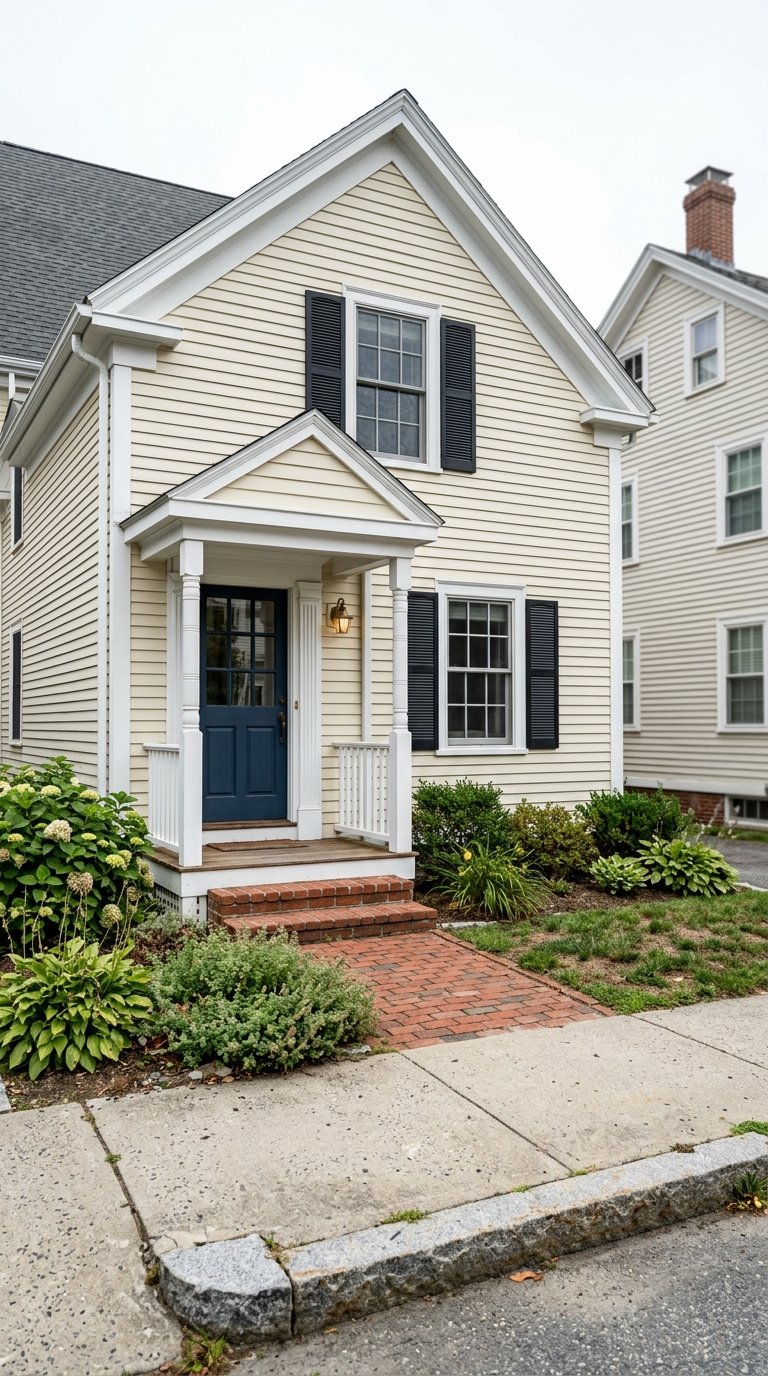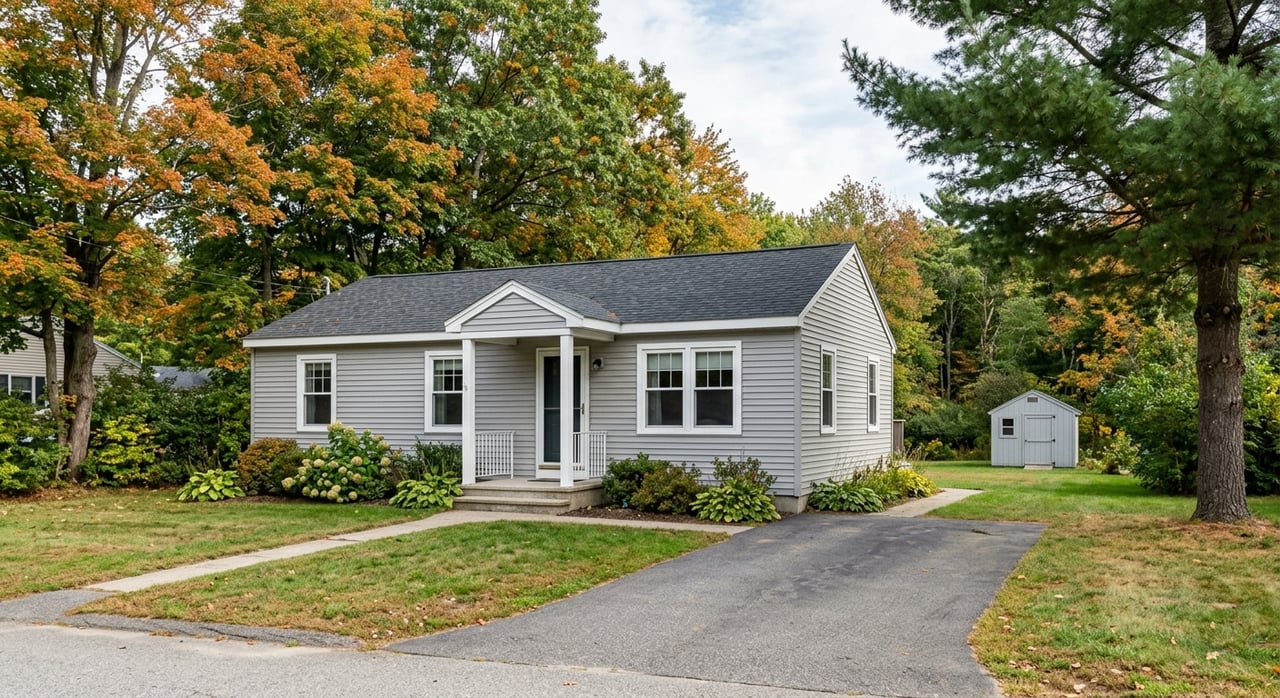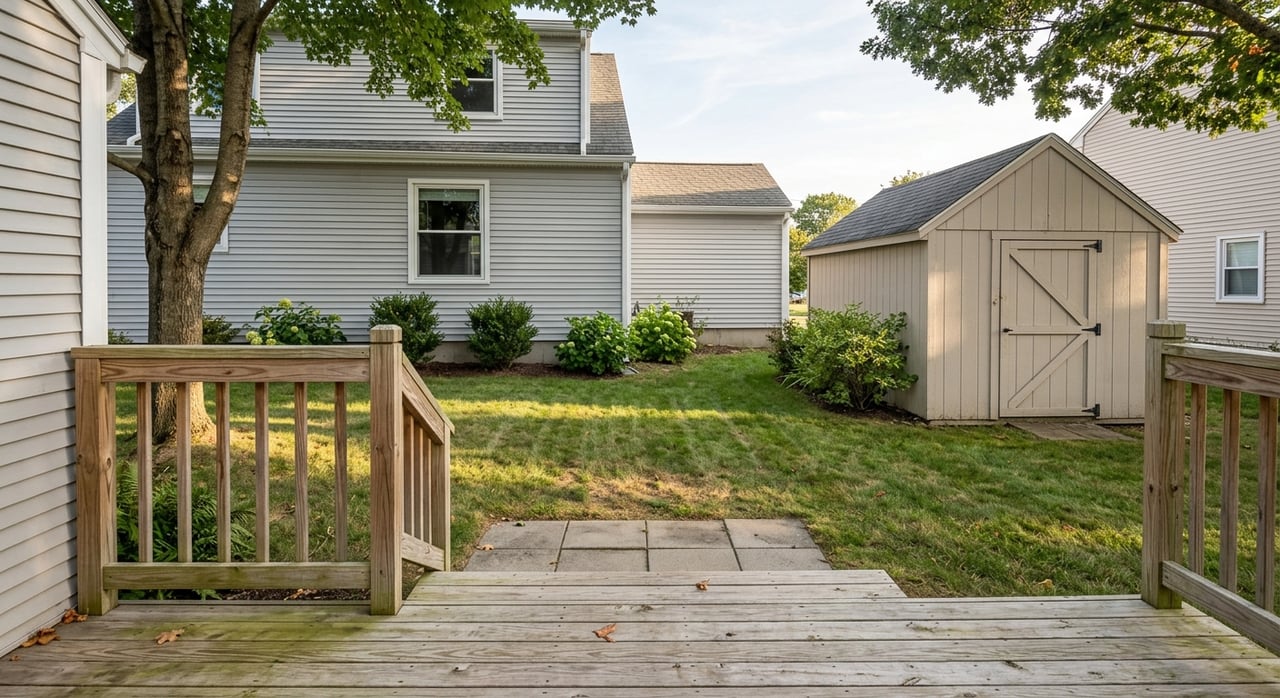
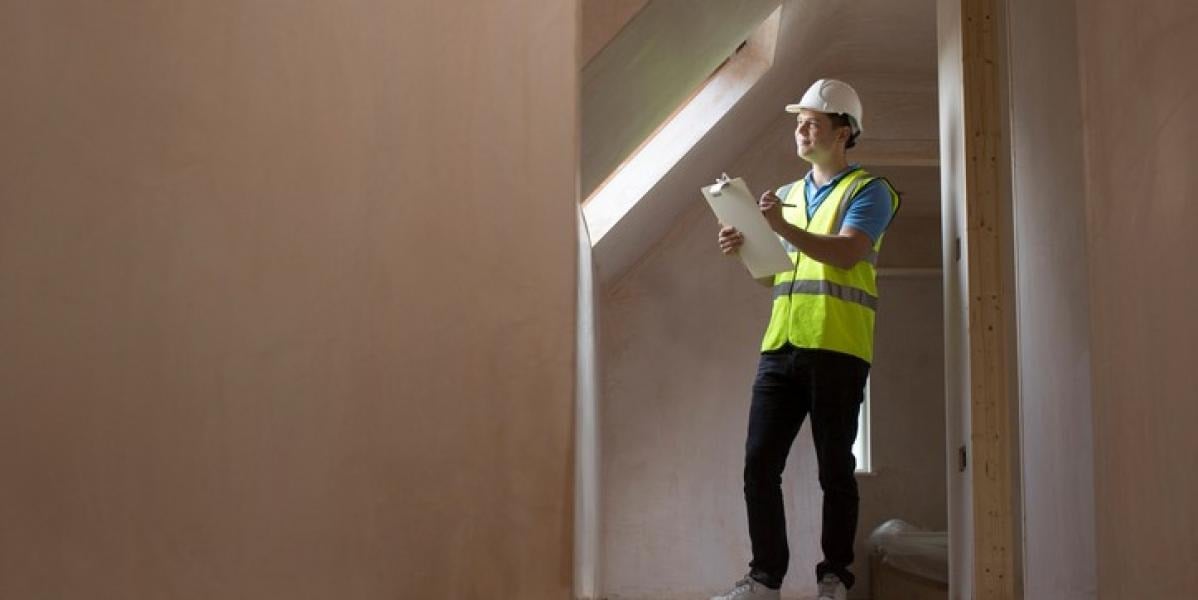

As a military-friendly real estate agent, it’s certainly in your best interest to be familiar with VA appraisal guidelines. All properties financed through a VA loan must undergo a VA appraisal and meet VA Minimum Property Requirements (MPRs). Some MPRs are very precise, while others give appraisers room for interpretation.
14 major MPRs for any real estate agent to consider:
1. Purchased property must be residential. Office buildings or storefronts can’t be financed through VA loans. If any part of the property is designed for nonresidential purposes (for example, a home hair salon), that portion must not exceed 25 percent of the total floor area.
2. No defective conditions which impair the safety, sanitation or structural soundness of the dwelling. In general, the three “S’s” guide the MPRs: Safe, Sanitary and Structurally sound. Appraisers are advised to watch for defective construction, poor workmanship, evidence of continuing settlement, excessive dampness, leakage and decay.
3. Mechanical systems must be safe and have reasonable future utility. Electrical and plumbing systems must be in good repair and have some usable life remaining. Walk through the home and test all the light switches and review the seller's disclosure to determine if any electrical issues have been identified.
4. Heating must be adequate. The home’s heating system must be safe and adequate. It should be capable of maintaining comfortable living conditions throughout the home. Homes that use wood-burning stoves as a primary heating source must also have a conventional heating system that maintains a temperature of at least 50 degrees Fahrenheit.
5. Property must have domestic hot water, continuing supply of safe drinking water and safe method of sewage disposal. Water quality must meet local standards (usually set by the health department), and sewage systems must adequately dispose of waste.
6. Roofing must be adequate and provide reasonable future utility. The roof condition will be closely examined by the VA appraiser. When a defective roof with three or more layers of shingles must be replaced, all old shingles must first be removed.
7. Crawl space must have adequate access, be clear of all debris and be properly vented. Any excessive dampness or pooling of water in the crawl space must be corrected. Leaky basements can be a deal breaker for many VA house hunters. Foundation problems are common among older homes and can be expensive to correct.
8. Utility services must be independent for each living unit, unless there are separate shut-offs for each unit. This isn't typically a problem for most properties.
9. Properties must have safe access from the street. Properties must have private driveways or permanent easements to allow access.
10. Properties must be free of any hazards which adversely affect health and safety of the occupants. This is a rather vague statement by the VA. The VA does not include specific criteria that must be met under this category, so “hazards” can be left to the interpretation of the appraiser. Effective for appraisals ordered on or after May 1, 2026, the VA no longer requires radon testing as part of the loan process.
11. Property must have space necessary to assure suitable living, sleeping, cooking and sanitary facilities. Make sure the home has an adequate kitchen, bathroom and sleeping area.
12. Lot must be graded so that it prevents pooling of water on the site and drains water away from the home. Poor drainage can lead to expensive exterior and foundation problems, so look for homes on properly elevated sites.
13. No wood-destroying insects, fungus growth or dry rot. A termite inspection may be required depending on the property's location and current VA requirements. Properties with termite infestations must be treated and re-evaluated before receiving VA approval.
Detached structures are treated differently for termite inspections:
Habitable detached structures (such as ADUs, guest houses, or detached living spaces) that are assigned value in the appraisal must be included in the termite inspection.
Non-habitable detached structures (such as sheds, detached garages, workshops, and similar outbuildings) do not need to be included in the termite inspection regardless of whether they are assigned value in the appraisal.
14. Lead-based paint must be evaluated and corrected. Properties built before 1978 must be inspected for lead-based paint. Surfaces with cracked or chipped lead-based paint must either be scraped and repainted, covered with drywall, or totally removed. Lead-based paint requirements do not apply to detached non-habitable structures such as sheds, detached garages, workshops, and similar outbuildings.
Effective for appraisals ordered on or after May 1, 2026, detached non-habitable structures such as sheds, detached garages, workshops, barns, and similar outbuildings are no longer required to meet VA Minimum Property Requirements. These structures may be included in the appraised value as-is, depending on the appraiser’s determination. In addition, these detached structures generally do not need to meet lead-based paint requirements and typically do not need to be included in termite inspections unless specifically required by the appraiser.
The best way to provide sound assistance to your military house hunters is to be well-versed in VA MPRs. Military buyers who pursue properties in poor condition can be headed straight for disappointment. Save your buyers time and money by conducting a focused search on homes that can easily win VA approval.
For a complete list of VA minimum property requirements you can review Chapter 12 of the VA Lender's Handbook.