
Buyer’s Open House Checklist: What to Observe Before Making an Offer
Use this as a quick field guide during showings. It does not replace a professional home inspection, but it can help you spot issues early and decide what to ask about.
1. First Impression: Outside the Home
· Look at overall maintenance: peeling paint, rotted trim, sagging gutters, damaged siding, cracked walkways, or neglected landscaping.
· Check grading: the ground should slope away from the foundation so water is not directed toward the basement.
· Observe gutters and downspouts: downspouts should discharge well away from the house, not beside the foundation.
· Look for water clues: staining on foundation walls, mossy areas, sunken soil, or standing water near the house.
· Scan the roof from the ground: missing shingles, curled shingles, heavy moss, damaged flashing, or uneven rooflines can signal future costs.
2. Inside the Home: General Red Flags
· Use your senses: musty odors, strong air fresheners, damp smells, or unusually cold rooms can indicate hidden issues.
· Check floors and walls: sloping floors, cracks over doors/windows, sticking doors, or uneven gaps may suggest settlement or framing movement.
· Look for fresh paint or isolated repairs: one newly painted wall or ceiling patch may be cosmetic, but it can also hide prior leaks.
· Test basics when appropriate: open windows, run faucets briefly, flush toilets, and look under sinks for stains or active leaks.
· Ask about ages of major systems: roof, heating system, air conditioning, water heater, electrical panel, and any basement waterproofing work.
3. Basement Systems: What to Observe Carefully
Moisture, Drainage, and Water History
· Smell for mustiness, mildew, or dampness as soon as you enter the basement.
· Look along walls and floor edges for water stains, white powdery deposits, peeling paint, bubbling surfaces, damp carpet, or rusty metal.
· Check corners, under stairs, behind stored items, and around basement windows for staining or mold-like growth.
· Ask whether the basement has ever had water, seepage, flooding, sump pump failure, ice-dam backup, or sewer backup.
· If there is a sump pump, ask how often it runs, where it discharges, whether there is a battery backup, and whether it was professionally installed.
Foundation and Structure
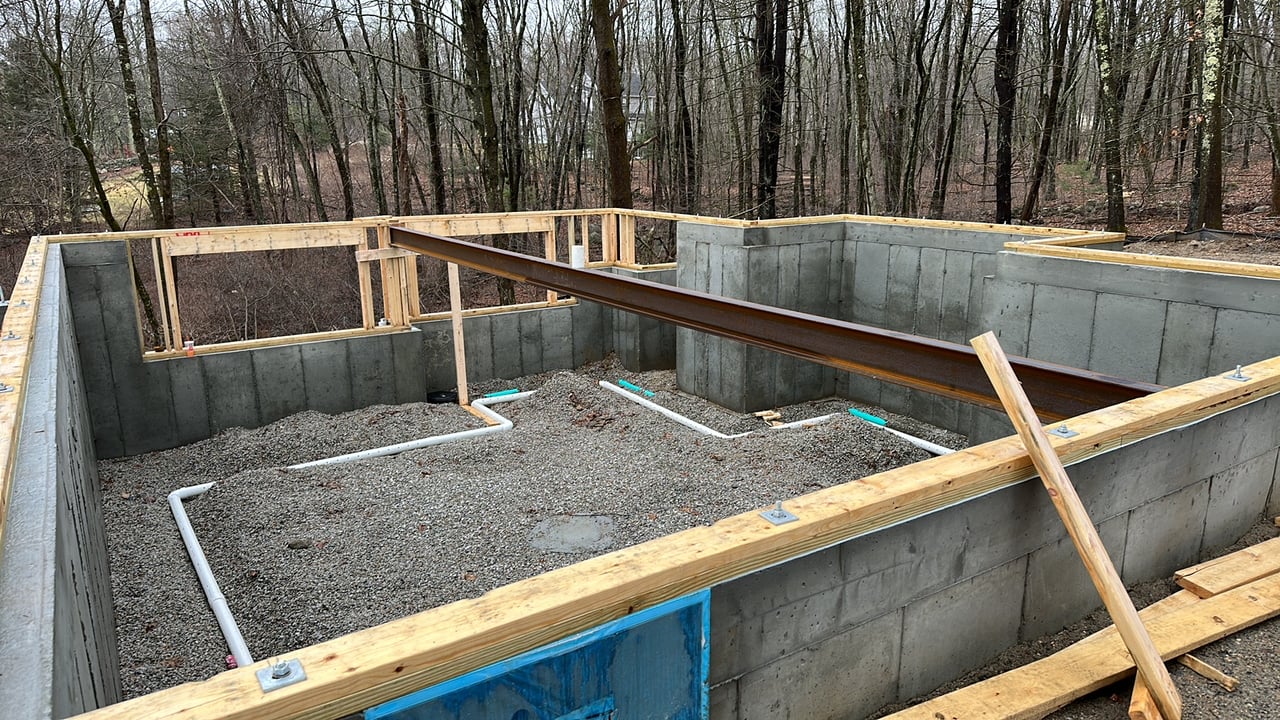
· Look for cracks in concrete floors, foundation walls, around windows, and near corners.
· Pay special attention to horizontal cracks, stair-step cracks in block walls, widening cracks, or walls that appear bowed or leaning.
· Look at beams, posts, joists, and sill plates for rot, insect damage, sagging, stains, or makeshift supports.
· Fresh patches, heavy sealant, or newly painted foundation sections should prompt questions about past water or structural repairs.
· If anything looks structural, plan to ask for documentation and consider a structural engineer before waiving inspection rights.
Heating, Cooling, and Venting
· Identify the heating system type: furnace, boiler, heat pump, steam, hot water baseboard, oil, gas, propane, or electric.
· Look for service tags, installation dates, rust, corrosion, soot marks, leaks, unusual noises, or taped/temporary-looking repairs.
· Check whether vents, flues, and exhaust pipes appear properly connected and unobstructed.
· For central air, look for accessible ductwork, condensation lines, and any staining near air handlers.
· Ask for maintenance records and the approximate age of each system.
Electrical Panel and Visible Wiring
· Find the main electrical panel and note whether it looks neat, labeled, accessible, and free of rust or moisture.
· Look for exposed wiring, open junction boxes, loose cables, extension cords used as permanent wiring, or scorch marks.
· Ask whether the service is 100-amp, 150 amp, or 200 amp, and whether there have been recent electrical upgrades.
· In older homes, ask about knob-and-tube wiring, aluminum branch wiring, ungrounded outlets, and permits for any upgrades.
· Water near an electrical panel is a serious concern and should be evaluated by a qualified professional.
Plumbing, Water Heater, and Drainage
· Look at visible pipes for corrosion, active drips, green staining on copper, rust on steel, or mineral buildup around valves.
· Check the water heater for age, rust, leaks, proper venting if combustion-based, and signs of discharge from the relief valve.
· Look for a main water shutoff and confirm it is accessible.
· Observe floor drains, sewer cleanouts, ejector pumps, or laundry connections for odors, staining, backups, or makeshift repairs.
· Ask if the home has private septic, public sewer, well water, water filtration, radon mitigation, or a history of sewer backups.
Basement Finish Quality
· If the basement is finished, look for signs of concealed moisture: warped baseboards, swollen trim, stained ceiling tiles, musty carpet, dehumidifiers, or painted-over stains.
· Ask whether permits were pulled for finished space, electrical work, plumbing, bathrooms, egress windows, or structural changes.
· Check ceiling height, emergency exits, smoke/carbon monoxide detectors, and whether bedrooms have proper egress.
· Look for access panels to shutoffs, cleanouts, sump pumps, electrical junctions, and mechanical equipment.
4. Questions to Ask the Listing Agent or Seller
· How old are the roof, heating system, cooling system, water heater, and electrical panel?
· Has the basement ever had water, seepage, mold remediation, sump pump work, or foundation repair?
· Are there warranties, permits, invoices, or maintenance records for major systems?
· Has any work been done by the owner rather than a licensed professional?
· Are there known issues with drainage, sewer line, septic system, well, radon, pests, or ice dams?
· What items are nearing end-of-life and likely to require replacement soon?
5. Open House Takeaways
If you like the home, take photos and notes, then use what you observed to guide your offer strategy and inspection request. A dry, organized basement with accessible systems is a positive sign. A basement with moisture, patching, odors, concealed access, or aging equipment is not necessarily a deal-breaker, but it should affect your due diligence, repair requests, and budget.