If you want a downtown lifestyle without giving up a classic MetroWest setting, living near Natick Center’s Cultural District may be worth a closer look. This part of Natick blends everyday convenience, arts and events, commuter access, and a mix of housing options in one compact area. Whether you are buying your first home, planning a move within MetroWest, or simply comparing neighborhoods, this guide will help you understand what it is like to live near the center of town. Let’s dive in.
What defines Natick Center
Natick Center Cultural District is a state-designated cultural district, and the town says that designation dates to 2012. The area is known for its late-19th-century architecture, with landmarks like TCAN, the Morse Institute Library, and the Common shaping the district’s look and feel. Town planning materials describe it as a compact, centrally located, walkable center and a classic New England downtown.
That combination gives the area a rhythm that feels different from a more car-dependent suburban setting. You are close to community spaces, local events, and transit, while still living in a town where detached homes remain a major part of the overall housing landscape. For many buyers, that balance is the appeal.
Why buyers are drawn here
Living near Natick Center often means being able to do more close to home. You may be near performances, seasonal events, commuter rail access, and short-stay parking, all within the downtown core or nearby blocks. That can be especially attractive if you want a neighborhood with activity and convenience built into daily life.
It can also appeal to buyers in different stages of life. First-time buyers may appreciate having a more mixed housing stock near the center, while move-up buyers may look just outside downtown for more traditional residential streets. If you are relocating to MetroWest, the area can offer a strong introduction to Natick’s town-center experience.
Arts and events shape daily life
One of the biggest features of the district is its year-round cultural activity. TCAN, located at 14 Summer Street, is the area’s main arts anchor. Its historic firehouse venue includes a 290-seat performance space, and the town’s creative placemaking plan says TCAN hosts more than 300 performances, screenings, and classes each year.
That matters because it gives the district a steady sense of energy, not just a once-a-year festival vibe. Depending on where you live nearby, you may find that music, performances, and community programming become part of your normal routine. For many residents, that is a major lifestyle benefit.
Events on and around the Common
The Common plays a big role in how the district feels throughout the year. Several recurring town events help make the center a gathering place for residents and visitors.
Here are some of the best-known recurring events:
- Natick Farmers Market runs every Saturday from 9 a.m. to 1 p.m. year-round.
- From May through September, the market is outdoors on the Common.
- In October, it moves outdoors to Common Street.
- From November through April, it is held indoors at Common Street Spiritual Center.
- Summer Performance Series includes Concerts on the Common on Monday nights at 7:00 p.m.
- The Kids Performance Series takes place on Wednesday nights at 6:30 p.m.
- Natick Days is an annual September festival on the Common that the town says draws several thousand people.
- Seasonal events also include Spooktacular in October and Holiday Lighting in December.
For homebuyers, these details help paint a clear picture of the area’s pace. Some people will love being close to that activity, while others may prefer to live a bit farther from the center and visit when they choose.
Getting around Natick Center
Transit is a major part of the district’s appeal. Natick is served by the MBTA Framingham/Worcester Commuter Rail Line, which runs between South Station and Worcester Union Station and stops at both Natick Center and West Natick. That gives residents a direct rail option for commuting or regional travel.
The town also says Natick Center station reopened in August 2025 with major accessibility upgrades. Those improvements include two elevators, two accessible ramps, six stairways, full-length high-level platforms, a new pedestrian bridge, bike parking, and rail-trail improvements. If access and convenience are high on your list, those updates are important.
Local transit and parking
Beyond commuter rail, Natick also has MWRTA fixed routes and shuttles that connect the district to nearby job centers and transit hubs. That adds another layer of mobility for residents who want options beyond driving.
Parking in Natick Center is part of daily life too, but the setup reflects the district’s compact downtown format. The town says the area has metered on-street and kiosk parking, typical 2-hour limits, free parking outside posted hours and on Sundays, and commuter and business permit options. Short-term public parking is available within a quarter mile of the station.
What homes near Natick Center look like
Natick as a whole is still predominantly suburban in housing form. According to the town’s existing-conditions report, detached single-family homes account for about 61% of housing units, while multifamily structures with three or more units account for roughly 27%. Census QuickFacts reports an owner-occupied rate of 68.2% and a median owner-occupied home value of $821,000 for 2020 through 2024.
Closer to Natick Center, the housing pattern becomes more mixed. Town planning and zoning materials describe the downtown mixed-use zone as the core of Natick Center, where multifamily dwellings are allowed. Those same documents note more than 1,800 dwelling units and roughly 4,000 residents within a half-mile walkshed.
Housing styles you may find
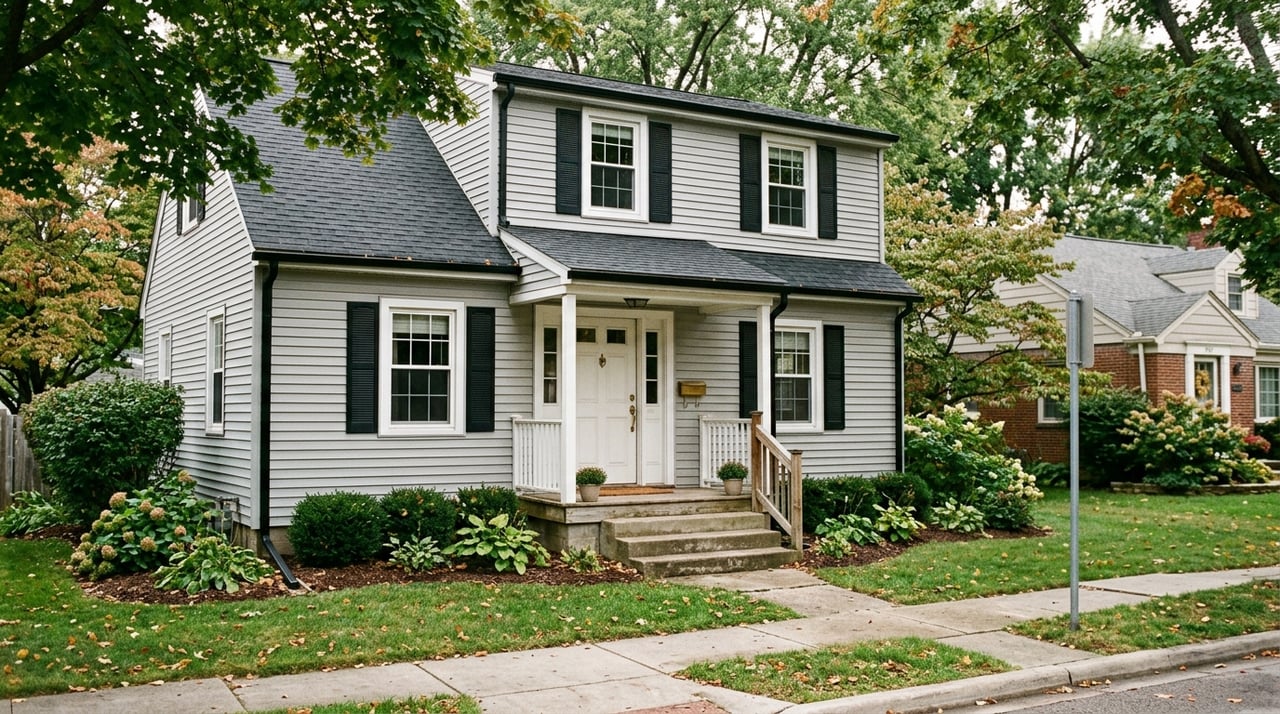
If you are searching in and around the district, you are likely to see a range of property types rather than one uniform housing style. That mix can be useful if you are trying to balance walkability, price point, home size, and maintenance needs.
A simple way to think about the housing nearby is this:
- Historic 19th-century downtown buildings near the center
- Some newer apartments and mixed-use residences close to downtown
- Single-family and one- to two-family homes in nearby residential areas as you move outward
Planning documents also note that many downtown buildings date from about 1875 to 1900 and were built in a High Victorian Gothic style. As you expand your search beyond the core, the setting shifts toward more traditional neighborhood patterns.
Is the area a fit for your lifestyle?
The answer often comes down to how you want your days to feel. If you enjoy being near community events, a commuter rail stop, public gathering spaces, and a true downtown core, Natick Center can be a compelling option. It offers a more active, connected environment than many purely residential suburban areas.
At the same time, living near the cultural district does not mean every home sits in the middle of downtown activity. Nearby residential areas can offer a quieter setting while still keeping you close to the Common, TCAN, and transit. That gives buyers some flexibility when choosing how close they want to be to the center.
What to consider before buying nearby
As you narrow your search, it helps to think beyond square footage alone. The district’s appeal is often tied to location, access, and lifestyle patterns, so your priorities matter.
Ask yourself questions like:
- Do you want to be able to walk to events or the train?
- Would you prefer a mixed-use downtown setting or a nearby residential street?
- How important is parking for your household?
- Are you open to different property types, such as condos, apartments, multifamily residences, or detached homes?
- Do you want a home near year-round activity, or would you rather visit the district occasionally?
These are the kinds of trade-offs that can shape a smart home search. A clear plan can help you focus on the right blocks, housing types, and budget range from the start.
Why local guidance matters
A neighborhood like Natick Center is best understood block by block. Housing types can shift quickly from downtown buildings to adjacent residential areas, and lifestyle differences can be just as important as price or bedroom count. Working with a local, education-focused brokerage can help you compare those options with more confidence.
At CENTURY 21 Marathon, we believe buyers and sellers make better decisions when they understand how a neighborhood actually lives day to day. If you are exploring Natick, relocating within MetroWest, or weighing your next move, our team can help you make sense of the market and find the right fit for your goals. Start your marathon to real estate success with CENTURY 21.
FAQs
What is the Natick Center Cultural District in Natick, MA?
- It is a state-designated cultural district in downtown Natick, known for its historic architecture, the Common, the Morse Institute Library, and arts venues such as TCAN.
What events take place near Natick Center’s Cultural District?
- Recurring events include the year-round Natick Farmers Market, Summer Performance Series events on the Common, Natick Days in September, Spooktacular in October, and Holiday Lighting in December.
Is Natick Center good for commuting in MetroWest?
- Natick Center is served by the MBTA Framingham/Worcester Commuter Rail Line, and the station includes updated accessibility features along with connections to MWRTA routes and shuttles.
What kinds of homes are near Natick Center?
- Buyers may find historic downtown buildings, some newer apartments and mixed-use residences near the center, and single-family or one- to two-family homes in nearby residential areas.
Is parking available near Natick Center in Natick, MA?
- Yes. The town says Natick Center has metered on-street and kiosk parking, typical 2-hour limits, free parking outside posted hours and on Sundays, and commuter or business permit options.
How much do homes cost in Natick, MA?
- Census QuickFacts reports a median owner-occupied home value of $821,000 in Natick for 2020 through 2024, though pricing will vary by property type and location within town.